
The Employment Rights Act 2025 represents the most significant overhaul of UK employment law in a generation.
Some changes are already in force. More are coming in October. And the biggest reforms land in January 2027.
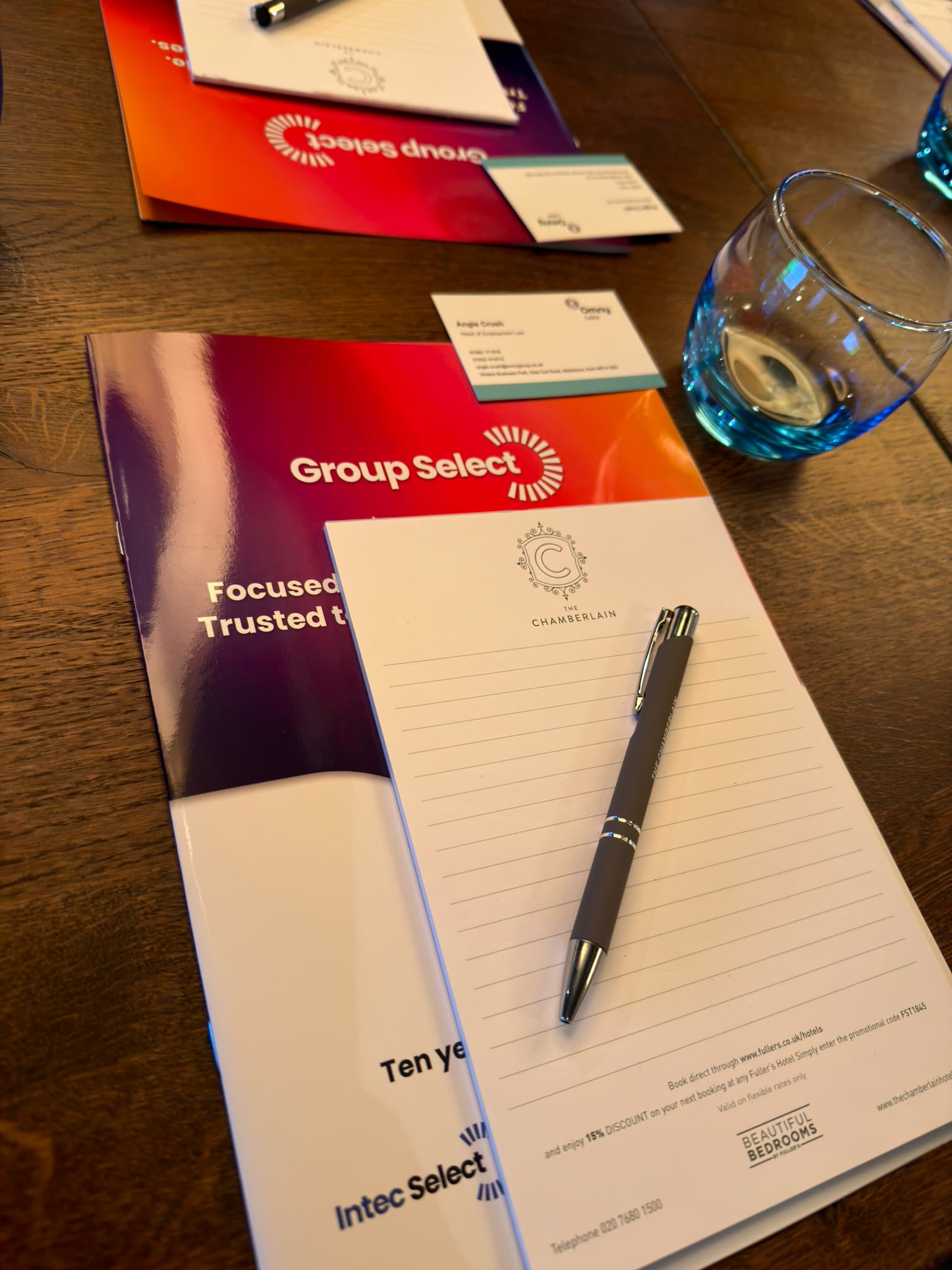
At our recent employment law seminar, specialist Angie Crush walked HR professionals, business owners, and senior leaders through what each phase means in practice. Here’s what you need to know.
What’s already changed (April 2026)
Statutory Sick Pay (SSP) has been overhauled.
The three-day waiting period is gone – SSP is now payable from Day One. The lower earnings limit has been abolished, meaning zero-hours and part-time workers qualify regardless of earnings. The new rate is £123.25 per week.
The financial cost of SSP itself isn’t the main risk. The bigger concern is absence frequency. Employers should update absence policies, check payroll systems handle Day One payments, and make clear to staff that non-genuine absence still leads to formal procedures.
Family leave is also now a Day One right.
Both paternity leave and unpaid parental leave no longer require a minimum period of service. Contracts and onboarding materials should already reflect this.
Collective redundancy penalties have doubled.
If proposing 20 or more redundancies in a 90-day period without proper consultation, the protective award has risen from 90 to 180 days’ pay per affected employee.
What’s coming in October 2026
Third-party harassment liability returns.
If a customer, client, contractor, or visitor harasses a member of your staff, you can be held liable – even if you don’t employ them. The defence is that you took all reasonable steps to prevent it. Risk assessments, updated policies, training, and clear expectations with third parties all need to be in place before October.
The sexual harassment preventative duty is tightened.
The standard moves from ‘reasonable steps’ to ‘all reasonable steps’. Tribunals can increase compensation by up to 25% for failure to meet it. Regular training, anonymous surveys, and annual policy reviews are the baseline.
Tribunal time limits are expected to double.
Employees will have six months rather than three to bring a claim, meaning employers may not know for nine months or more whether a dispute will result in proceedings. Keep HR records for at least nine months after someone leaves, and get witness statements while people are still in the business.
The three big changes arriving in January 2027
This is where most employers need to act now, not in December.
Unfair dismissal qualifying period drops from two years to six months.
Anyone hired from 1 July 2026 onwards will have six months before gaining full protection. Probation periods need rethinking: Angie’s advice is to cut them to three months, giving scope to extend if needed while maintaining a safety margin.
Underperforming employees with less than two years’ service who will hit the six-month mark by January need to be addressed now.
The compensation cap on unfair dismissal is being abolished entirely.
The current cap is £123,543. From January, there will be no cap. The median award remains around £6,750, so most cases are unaffected – but for senior employees, exit negotiations will become significantly harder. Address senior underperformance before this change lands.
Trade unions gain a statutory right to access workplaces from October 2026.
Unions can apply to meet, communicate with, and recruit workers – physically and digitally – even if they don’t currently represent anyone in your business. The Central Arbitration Committee can impose access terms and enforce compliance, with penalties escalating to £500,000 for repeated breaches. Employers should nominate a central owner for requests, prepare a response process, and have draft access arrangements ready before a request arrives.
Four things to do now
- Update policies, payroll and contracts for the April changes that are already in force
- Prepare for October’s harassment reforms: risk assessments, training, and third-party policies
- Shorten probation periods and address underperformers before January 2027
- Build a response process for trade union access requests before October
Employment law is rarely static, but the pace of change right now is exceptional. The employers who come out ahead will be the ones who treat this as a planning challenge, not a compliance checkbox.
Missed the seminar? Get in touch with the Insight Select team to find out about future events and resources.